War in Iran: the consequences for businesses
- Rinke den Os, Sandra Visser-Meijer
- Background
- 4 March 2026
- 3 min
- Managing and growing
- International
On 28 February, the US and Israel attacked Iran. Considerable unrest has since spread throughout the Middle East. The conflict is affecting the global economy. Dutch entrepreneurs are also feeling the impact. Energy prices are rising and deliveries are taking longer and becoming more expensive. Inflation may also increase.
The consequences of the situation in the Middle East have been felt almost immediately by entrepreneurs. Soon after the first attacks, for example, war risk insurance premiums increased for container shipments (in Dutch) to and from the region.
Problems in logistics
Disruption to the logistics chain has an even greater impact. Air traffic to and from Iran and the Middle East is limited. And 2 important shipping routes are not being used or are barely being used.
Strait of Hormuz
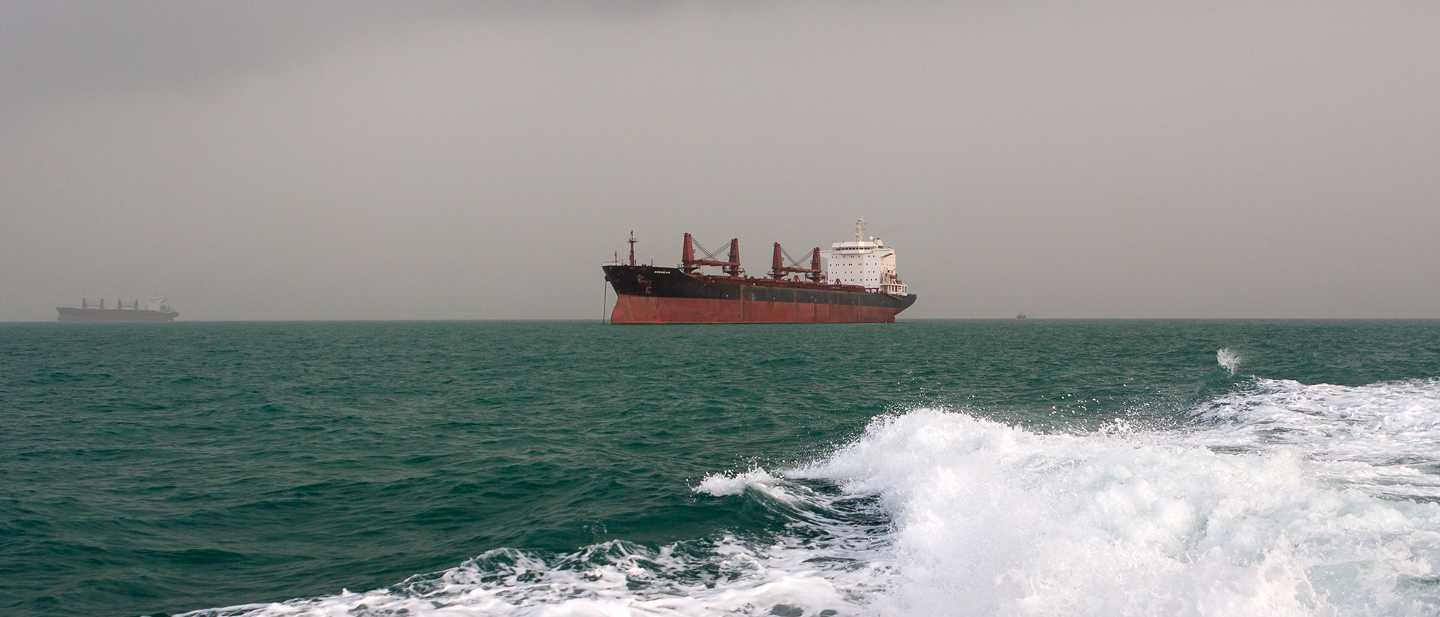
Iran is currently blocking the Strait of Hormuz. This is the world's most important transport route for crude oil and liquefied gas. Almost a third of total global oil consumption passes through this narrow sea passage. Other cargo ships are also unable to pass through the Strait of Hormuz. Although the transport via alternative is increasing, the supply of oil and oil-based products worldwide is reduced.
Suez Canal
A second important shipping route passes through the Suez Canal. Problems have been ongoing there for some time. Many shipping companies have been avoiding the route for several months because rebels are attacking ships. Arranging insurance for ships is either impossible or very expensive.
Longer journeys, higher costs
The shipping problems are affecting businesses in various ways.
- Ships are taking longer to reach their destinations. Because shipping companies are avoiding 2 important routes, cargo ships are taking longer routes around the Cape of Good Hope. This means that ships are sailing around the entire African continent. This detour can add 2 weeks to the journey time.
- Longer journey times also mean higher costs. A longer route takes more time and fuel, and so costs more money.
- Delays in deliveries. Whether it concerns oil, textiles, or other consumer goods, most deliveries are taking longer than before. As a result, you may not have important raw materials, parts, or merchandise in stock on time.
- Because transport takes more time, containers are unavailable for longer. This can lead to a container shortage and rising container prices.
Will energy and commodity prices rise?
Since the beginning of March, the price of gas has increased (in Dutch). Due to the war, a significant portion of oil transport is currently not possible. If the situation in the Middle East becomes stable again within a few weeks and ships can sail safely, the effects may remain limited (in Dutch).
If the threat persists, the likelihood of more prices rises will increase. Statements by US President Trump and Israeli Prime Minister Netanyahu indicate that the war will continue for some time. “This operation could take another 4 to 5 weeks,” Trump told The New York Times.
Gas shortage in the Netherlands
There is a high probability that consumers and businesses in the Netherlands will face rising gas prices. Gas reserves in the Netherlands have never been as low as they are now. Dutch energy network operator Gasunie is not worried that reserves will run out completely, but it does expect that keeping them topped up will be more expensive due to the unrest. Ultimately, businesses and consumers will pay those costs.
Inflation
If the war lasts longer than the 5 weeks Trump mentioned, the economic consequences will be greater. One thing is certain: the longer it lasts, the higher prices will be for fuel, groceries, and energy.
Tensions remain. The chance that your business will be affected is greater than ever.
“A prolonged war could cause a significant rise in inflation in the eurozone and slow economic growth,” says Philip Lane, chief economist at the European Central Bank, in the Financial Times.
“Unrest is the new normal”
Due to import tariffs, wars, and new balances of power, global relations have been unsettled for some time. Geopolitical expert Hans Diels does not expect things to calm down any time soon: “This is the new normal.” International tensions must be high on the agenda for businesses, he says. “Smaller businesses are also affected. Just think of the fruit growers who suddenly lost their Russian market in 2014.”
According to Diels, it is now important for entrepreneurs to be aware of risks and to prepare for things that could possibly happen. “The days when entrepreneurs only had to consider price and quality are over. We are in a phase in which the major powers are once again seeking a balance among themselves. That cannot happen without tensions. The chance that your business will be affected by this is greater than ever.”
Frequently asked questions about the situation
Shipping companies are temporarily not sailing through the Suez Canal and the Strait of (in Dutch). They are now opting for the longer route around the Cape of Good Hope. This has consequences for your container transport:
- Longer travel time. Your shipments may arrive 2 weeks later.
- Higher costs. Transport will become more expensive due to additional surcharges and handling costs.
- Possible increase in inflation due to rising energy prices.
If your shipment is already on its way, all you can do now is wait. However, you can do the following:
- Check your Incoterm®: Who pays in case of loss or delay?
- Check your transport insurance: Do you have coverage for disruptions caused by war?
- Ask your forwarding agent about the status of your shipment and whether other routes are possible.
- Stay in touch with your suppliers and customers in this region.
This will help you keep track of your cargo and costs.
Iran has closed the Strait of Hormuz. Large quantities of oil and liquified gas can now no longer be transported to Europe via this route. This means the following:
- Supply will decrease, while demand remains the same.
- This may cause oil and energy prices to (in Dutch).
- Prices can change rapidly due to the unpredictability of the market. There is a high risk that suppliers will be unable to fulfil their commitments.
There is currently no energy shortage in the Netherlands. However, prices for gas, electricity and fuel are rising.
The International Energy Agency (IEA) has already warned of a major global energy . The IEA therefore advises people to be economical, to drive less and at lower speeds, and to work from home where possible. The Dutch government is not (in Dutch) the IEA’s recommendations.
The first attacks were carried out by the US and Israel in Iran. Iran responded with missile attacks. These missiles were fired at Israel, Jordan, Syria, Iraq, Kuwait, Bahrain, Qatar, and the United Arab Emirates. This has led to unrest in the Middle East. This region borders several bodies of water: the Persian Gulf to the south-east, the Arabian Sea to the south, and the Red Sea to the west.
The Suez Canal runs through Egypt and connects the Red Sea with the Mediterranean Sea.
The Strait of Hormuz lies between Iran and Oman. It connects the Persian Gulf with the Gulf of Oman. and further on to the Arabian Sea.
There are several sanctions in place against Iran. These apply to certain sectors, businesses, organisations, and persons.
Find out which sanctions are in place against on the EU website. Always check the latest version of the list of blocked businesses and . And if your product or service is allowed to enter Iran. A ban may be in place, or you may need an export permit. Check this with the Dutch Customs Central Import and Export Office .
Do you want to import form Iran? Then make sure there is no import on your product in the EU. You need an import for some products, for example for .
Paying or getting paid is difficult in Iran. Iranian banks are not connected to the SWIFT . This makes it almost impossible to make payments to or receive payments from Iran. The safest option is payment with a Letter of Credit (L/C). But that comes with a lot of administration and a price tag.
In addition, your bank often has to notify the Ministry of (in Dutch) of the transaction. Prior authorisation is sometimes required to complete the payment. Do you do business with partners in other countries in the Middle East? In that case, you should also seek advice from a member of staff at your bank. They can advise you on the best way to deal with the current situation.
Do you have more questions?
Do you have questions about your situation and the unrest in the Middle East? Call the KVK Advice Team from 08:30-17:00 on working days. Our advisers are familiar with the issues affecting businesses, think along with you, and provide personal advice.