How to make an emergency plan
- 8 May 2026
- 1 min
- Managing and growing
- Rinke den Os

An emergency takes you by surprise. Less than 25% of all zzp'ers and small businesses is prepared for such a situation. An emergency plan can help you take the first crucial steps and prepare in case you ever need it.
An emergency is not the same for every business. Whilst a power cut is a disaster for some businesses, others are barely affected by it. That is why you need to start by identifying which situations could impact your business.
What do you put in your emergency plan?
Describe the emergency situations relevant to your business
Consider lengthy power cuts or internet outages, a cyber attack, fire, extreme weather, an IT disruption, failure of a critical process or system, no water, or acute health problems.
Internet outage or power cut
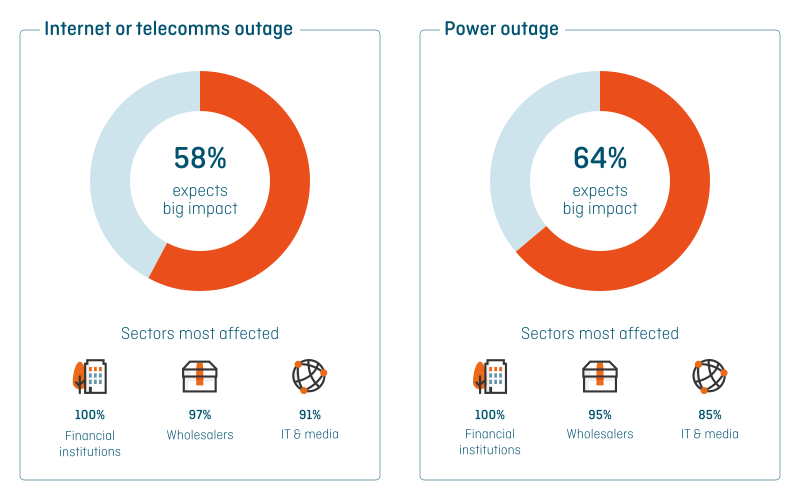
According to entrepreneurs, a power disruption or internet outage has a significant impact on their business.
58% expect a major impact. Sectors most affected:
- Financial institutions: 100%
- Wholesale: 97%
- IT & media: 91%
Power cuts
64% expect an impact. The sectors most affected are:
- Financial institutions: 100%
- Wholesale: 95%
- IT & media: 83%
Source: KVK Weerbaarheid van ondernemers report (PDF, in Dutch).
Who is responsible for what?
Divide the roles and make sure every employee knows which tasks are theirs in case of an emergency. Write this down in your emergency plan. For example in a table that lists names, roles, and deputies.
Every role comes with its own tasks. For example:
- Management: making decisions, contacting emergency services, and external communication
- Emergency response (BHV-er): first aid, fighting fire, supervising an evacuation
- Employee: following instructions, going to the meeting point, helping each other
How do you communicate and who raises the alarm?
Do you have an automated alarm that notifies the fire services, or does someone call 112?
Also write down how you communicate with each other. You need a walkie-talkie in some situations, but often you can use WhatsApp or Signal as well.
You also lay down who notifies employees, visitors, clients, and relatives if necessary.
Write down how you ensure your business can stay up and running
Like this: 'These are the vital processes in my business. And this is how I make sure these keep running or restart.' If you have a business continuity plan, you can copy this part of your emergency plan from that. Also make sure you and your staff have easy access to a backup.
Contacts
You cannot forget about your network and your partners. They may be a great help in case of an emergency. Always have your important phone numbers and email addresses at hand. Preferably in an up-to-date paper list or address book.
Other good-to-haves in your emergency plan:
- Keep it short, work with checklists
- Include a map of the premises, with your evacuation routes
- Include an evacuation plan
- Appoint emergency response officers
- Make one employee responsible for keeping the emergency plan up-to-date and explaining it to new employees.