Prevent misuse of your business name or details
- Edited 6 July 2026
- 2 min
- Secure business
- Managing and growing

Imagine this: customers receive fake invoices bearing your name or logo. This is an example of corporate identity fraud. Find out how to make it harder for the data of your business or organisation to be misused.
Cyber Magazine SECURE IT!
Cyber magazine SECURE IT! contains tips and information on how to secure your business online.
Consequences of business identity fraud
Have you fallen victim to business name fraud? You may notice this, for example, if someone else is making purchases on behalf of your business or sending out false invoices. Or if someone is posing as your business on social media.
This can damage your reputation, making customers and business associates less likely to trust you or want to do business with you. You may also lose turnover if a customer transfers money not to you, but to fraudsters.
Forms of business identity fraud
There are different forms of identity fraud:
Invoice fraud
In invoice fraud, scammers use your business name and details to send your customer a fake invoice. That invoice looks like the invoices you normally send. Criminals use your logo, your styling, and even your signature to appear trustworthy. The technique they use for this is called spoofing. Only the account number is different, and the customers pay the fraudsters, not you.
Online shop fraud
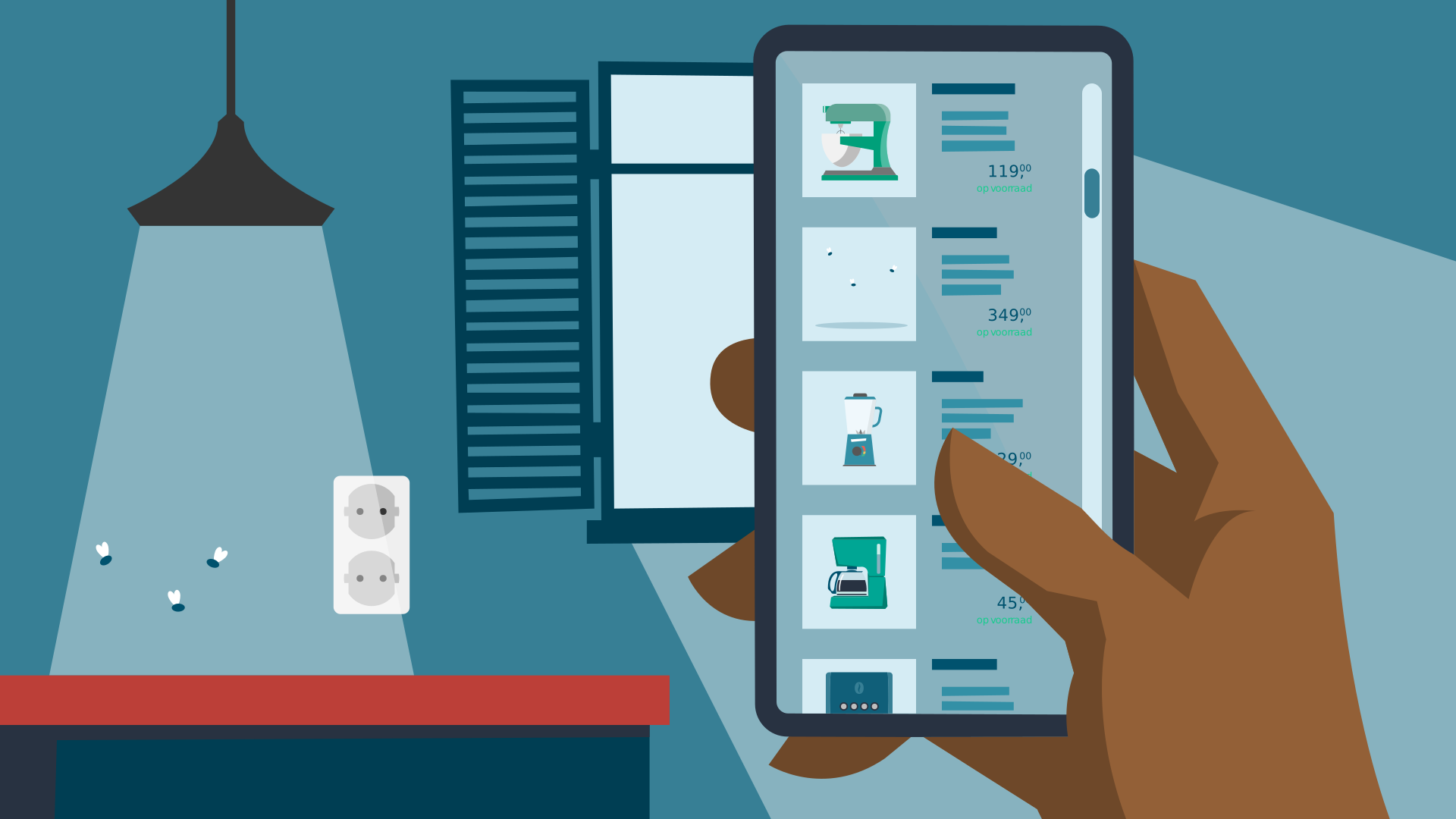
Scammers can also misuse your identity by creating a fake online shop. Here, the criminals offer all kinds of products that they do not deliver. Angry customers then knock on your door, thinking the website is yours. Does a fake website misuse the name of your business or organisation? Then check who runs the site on whois.com.
Social media fraud
If someone pretends to be your business or organisation on social media, you can report it. Social media platforms like Facebook, X, Instagram, and LinkedIn have a dedicated page on their website for this purpose. They can investigate your report and block or remove the fake account.
Order fraud
Someone orders products in your business or organisation's name but has them delivered to another address. You know nothing about this order but get the bill.
Preventing business identity fraud
Protect your business from business identity fraud. Key measures you can take:
-
Set up a Google Alert for your company name. You will then be notified automatically whenever the name of your business or organisation is mentioned on the internet. That way, you can immediately see when a fraudster is creating a site under your name.
-
Handle company and personal data with care, both online and offline. Be careful what you share on social media. And implement a clean desk policy.
-
Check your public domain name details via or . Ask your web hosting provider if they shield your sensitive information if possible. Think of (email) addresses, phone numbers, and employee names. Do leave the email address of a technical contact so that, for example, cybersecurity organisations can alert you to digital threats.
-
If you have staff, make sure you discuss the risk of fraud with them, such as sharing confidential company data.
Has your identity been misused?
Is a fraudster using the details of your business or organisation for online deception or to send fake invoices? Alert your customers, suppliers, and other partners. Business identity fraud is a criminal offence. Report it to the Fraud and file a report with the . You can also report identity fraud to the Central Identity Theft and Error Reporting (CMI, in Dutch).